Looking for a Seattle neighborhood that feels calmer without feeling cut off? Madison Park often stands out for exactly that reason. If you want lake access, a more established residential feel, and a location that still connects to downtown, this guide will help you decide whether Madison Park fits the way you want to live. Let’s dive in.
What Madison Park Feels Like
Madison Park sits on the west shore of Lake Washington in east-central Seattle. King County describes the broader Leschi and Madison Park corridor as one of Seattle’s earliest developed lakefront areas, known for high-quality homes, waterfront properties, parks, and beaches.
In practical terms, that means you get a neighborhood with a long-established feel and strong ties to the water. Madison Park is not built around a large commercial core. Instead, daily life tends to center on local businesses, nearby green space, and the lake.
For many buyers, that balance is the appeal. You can enjoy a quieter setting while still having access to central Seattle routes and services.
Why Buyers Consider Madison Park
Madison Park tends to attract buyers who want a more relaxed Seattle setting. Seattle Parks describes the area around Madison Park as having a quiet, friendly atmosphere, and that lines up with how many people think about the neighborhood.
If you are comparing central Seattle areas, Madison Park may appeal to you if you value:
- Close access to Lake Washington
- A smaller neighborhood business district
- An established residential setting
- Quick routes toward downtown Seattle
- A calmer day-to-day pace than larger mixed-use hubs
That does not mean it is the right fit for everyone. The tradeoffs are real, especially if you want more inventory, lower price points, or a commute built around rail.
Waterfront Access Is a Major Draw
One of Madison Park’s clearest advantages is its lakeside setting. Seattle Parks describes Madison Park as a grassy waterfront park south of the Evergreen Point Bridge with a 400-foot beach, bathhouse, summer lifeguards, tennis courts, and a playground.
That kind of access can shape your routine in a very real way. Instead of needing to plan a special outing, you may have waterfront recreation and open space woven into your normal week. Nearby shops and restaurants across the street also add convenience to that park-centered lifestyle.
Madison Park North Beach sits one block north and offers more waterfront green space. Seattle Parks notes that this area is not suitable for swimming or boat launching because of the seawall, but it still adds to the shoreline presence that defines the neighborhood.
Green Space Goes Beyond the Beach
If you want more than water access, Madison Park also benefits from its proximity to the Washington Park Arboretum. Seattle Parks says the Arboretum offers miles of trails, free daily access, and a loop trail along the east side of Lake Washington Boulevard.
This matters if your idea of neighborhood fit includes room to walk, reset, and spend time outdoors without leaving the city. Seattle Parks also highlights the Arboretum as one of the city’s more secluded trail settings, which adds to the area’s calm, tucked-away feel.
For buyers who value outdoor access, Madison Park offers more than just a nice view. It provides multiple ways to use the surrounding landscape in everyday life.
Commute and Access: Good, but Not Rail-Centered
Madison Park has solid connections, but it helps to understand what kind of commute you are really choosing. King County identifies East Madison, SR-520, and I-5 as the neighborhood’s main access routes.
For transit, King County Metro Route 11 links Madison Park with Capitol Hill and Downtown Seattle. That supports a commute pattern that is more bus-and-car based than rail-based.
Redfin also rates the area as somewhat walkable, with some transit and bikeability. So if you are expecting an urban village experience where most errands and commuting happen on foot or by train, Madison Park may feel different from that. If you are comfortable using a mix of driving, bus service, and neighborhood errands close to home, it may feel very workable.
Housing in Madison Park
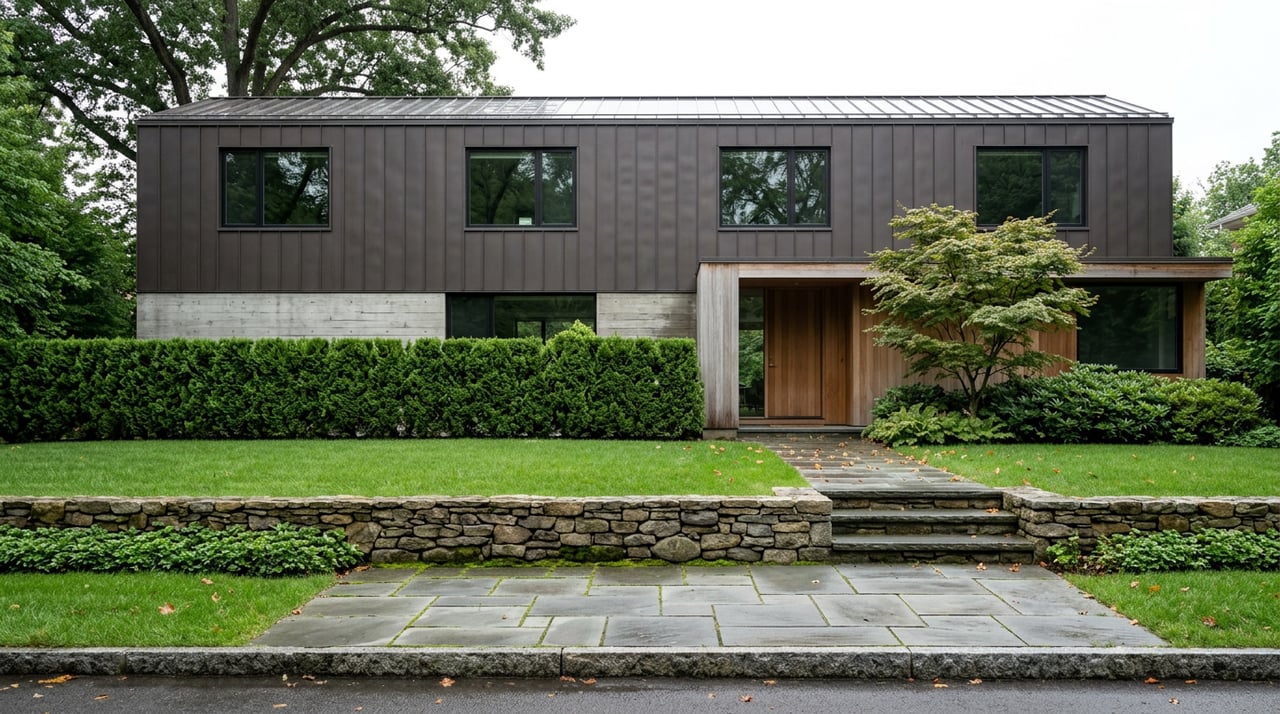
Madison Park’s housing stock is one of its defining features. King County describes the broader Madison Park and Washington Park area as having many early mansions, lake-view homes, waterfront properties, and ongoing luxury construction.
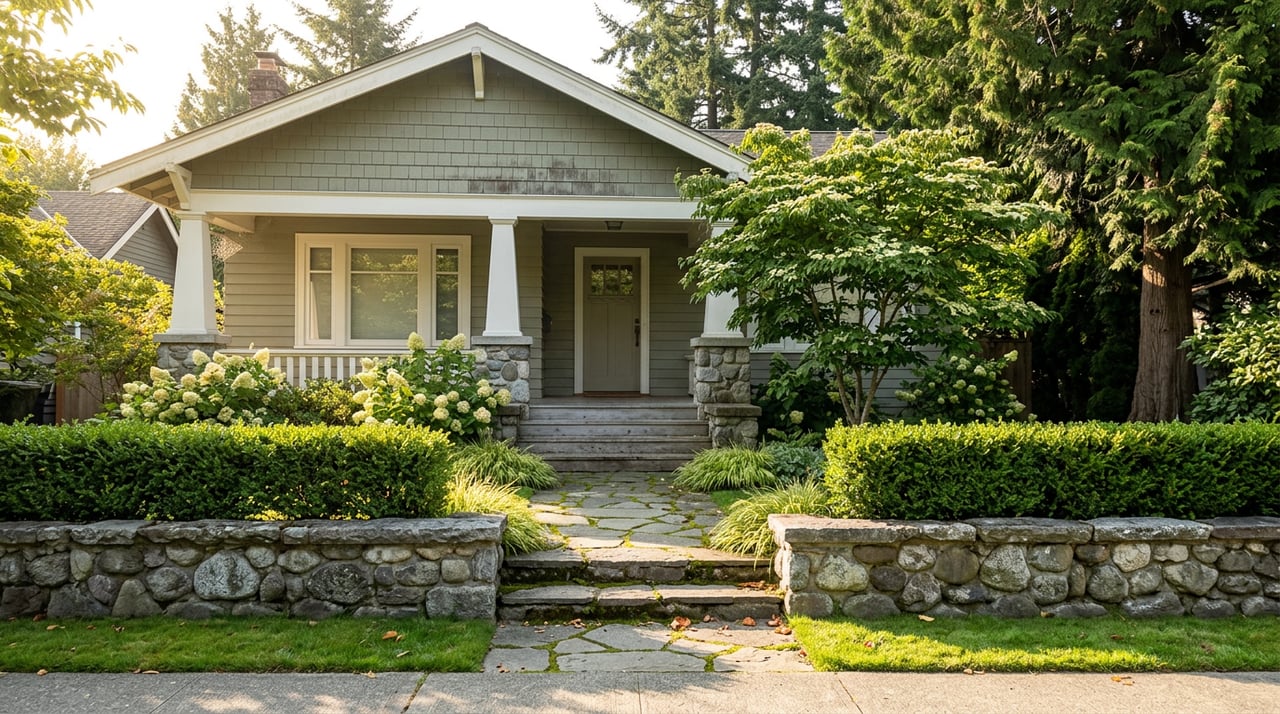
The neighborhood also has a long residential history. A city landmark nomination notes that Madison Park grew steadily from the 1920s through the 1950s with single-family homes, and the county’s sample housing profile includes homes built from 1905 through 2009.
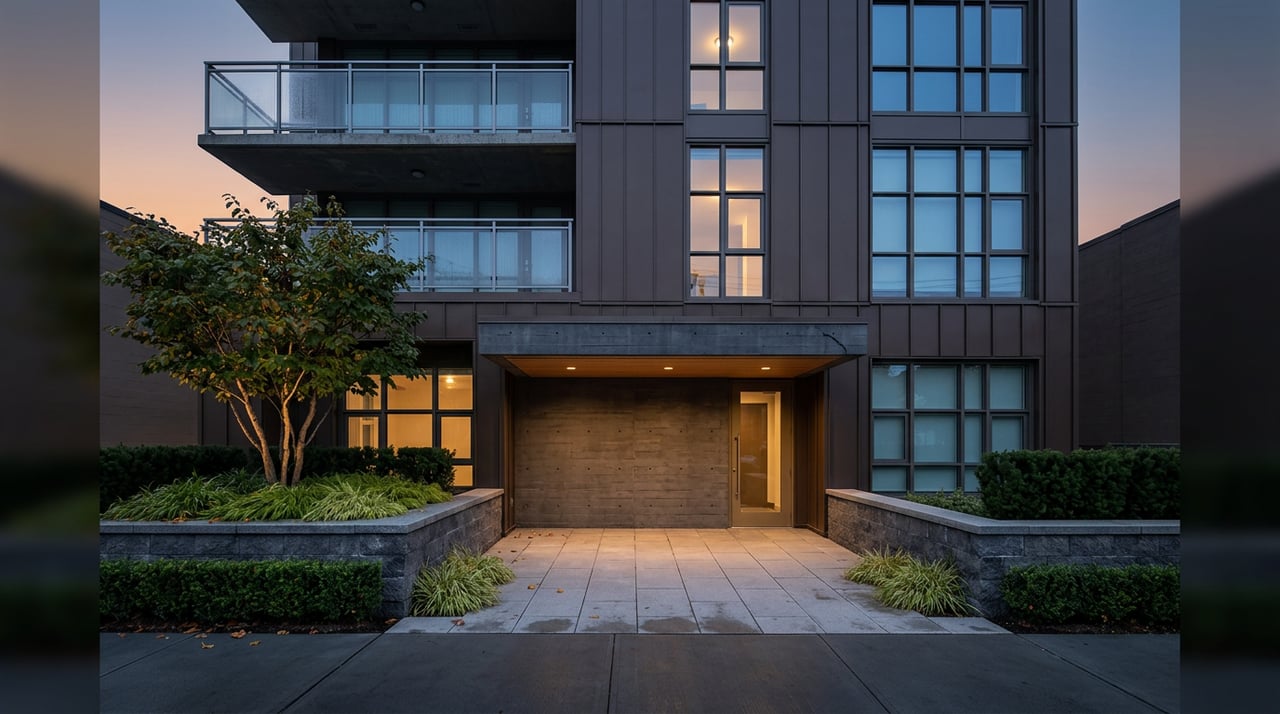
That range tells you something important. Madison Park is not a one-note neighborhood. You will find older residences alongside newer high-end construction, though the overall market skews established and premium.
What the Market Snapshot Suggests
Recent pricing data points to a high-end market with limited breathing room for hesitation. Redfin reports a median sale price of $2,499,071 for the three months ending April 2026, with homes averaging 6 days on market and many properties receiving multiple offers.
Zillow’s April 30, 2026 snapshot shows a Zillow Home Value Index of $1,799,004, 28 homes for sale, 11 new listings, and a median list price of $1,185,000. These figures measure different things, so they are best read as separate views of the same premium market rather than direct contradictions.
For you as a buyer, the message is fairly clear. Madison Park can require fast decisions, strong preparation, and a realistic budget. For you as a seller, the neighborhood’s pricing and competitive conditions may create meaningful opportunity when the home is positioned well.
Who Madison Park Fits Best
Madison Park tends to make the most sense for buyers who are prioritizing lifestyle as much as square footage. Based on the research, it is especially relevant for move-up buyers, relocators, and households willing to pay for calm, shoreline access, and a well-established setting.
You may find Madison Park appealing if you want:
- A quieter Seattle neighborhood with a residential feel
- Regular access to beach and park space
- A smaller-scale local business district
- Housing that includes older character homes and newer luxury options
- Convenient access toward downtown via major road corridors
You may want to look elsewhere if your top priorities are lower pricing, larger inventory, or a neighborhood built around a bigger entertainment and retail scene.
Questions to Ask Yourself Before You Move
Before you decide whether Madison Park is the right Seattle oasis for you, it helps to get specific about how you live. A beautiful setting matters, but so does day-to-day fit.
Ask yourself these questions:
- Do you want lake access to be part of your weekly routine?
- Are you comfortable with a bus-and-car oriented commute?
- Does a smaller business district sound appealing or limiting?
- Are you prepared for premium pricing and potentially fast-moving listings?
- Do you prefer established homes and a long-standing neighborhood feel?
If your answers lean yes, Madison Park may deserve a close look. If not, another central Seattle neighborhood may align better with your goals.
Why Local Guidance Matters Here
In a neighborhood like Madison Park, broad Seattle knowledge is useful, but neighborhood-level insight matters more. Housing age, lot characteristics, access patterns, waterfront influence, and competitive pricing can all affect how you evaluate value.
That is especially true whether you are buying or selling. Buyers need a clear strategy in a market where homes can move quickly, and sellers benefit from thoughtful pricing, presentation, and marketing in a premium segment.
Working with someone who understands Madison Park in the context of nearby central Seattle neighborhoods can help you compare options with more confidence. It can also help you avoid chasing a lifestyle idea that does not quite match your actual needs.
If you are weighing a move to Madison Park, or preparing to sell there, Terry McMahan can help you make sense of the neighborhood, the market, and the strategy that fits your next step.
FAQs
Is Madison Park in Seattle a quiet neighborhood?
- Madison Park is generally known for a quieter, more relaxed atmosphere, with daily life centered around the lake, parks, and a small business district.
Is Madison Park Seattle good for commuting downtown?
- Madison Park has practical access to downtown Seattle through East Madison and Metro Route 11, with SR-520 and I-5 also identified as key access routes.
What is the housing market like in Madison Park Seattle?
- Madison Park is a premium market with upscale and established housing, and recent data shows fast-moving listings, limited inventory, and strong competition.
Does Madison Park Seattle have beach and park access?
- Yes. Madison Park includes a lakeside park with a beach, bathhouse, summer lifeguards, tennis courts, and a playground, plus nearby access to additional waterfront space and the Washington Park Arboretum.
Who is Madison Park Seattle best suited for?
- Madison Park tends to fit buyers and relocators who want a calmer, lake-oriented Seattle neighborhood and are comfortable with higher price points and a bus-and-car based commute pattern.