Choosing between a hillside home and a lakefront home in Leschi or Madrona is not just about whether you want a water view. In these Seattle neighborhoods, the land itself changes how a home feels, how you use it, and what you need to evaluate before you buy. If you are trying to decide which setting fits your lifestyle and priorities, this guide will help you compare the tradeoffs with more clarity. Let’s dive in.
Why Leschi and Madrona Feel Different
Leschi and Madrona both sit along Lake Washington, but they are shaped by more than shoreline alone. Seattle’s park descriptions show a landscape of beaches, wooded slopes, ravines, viewpoints, and steeper residential streets that rise above the lake. That mix creates very different living experiences depending on where a home sits.
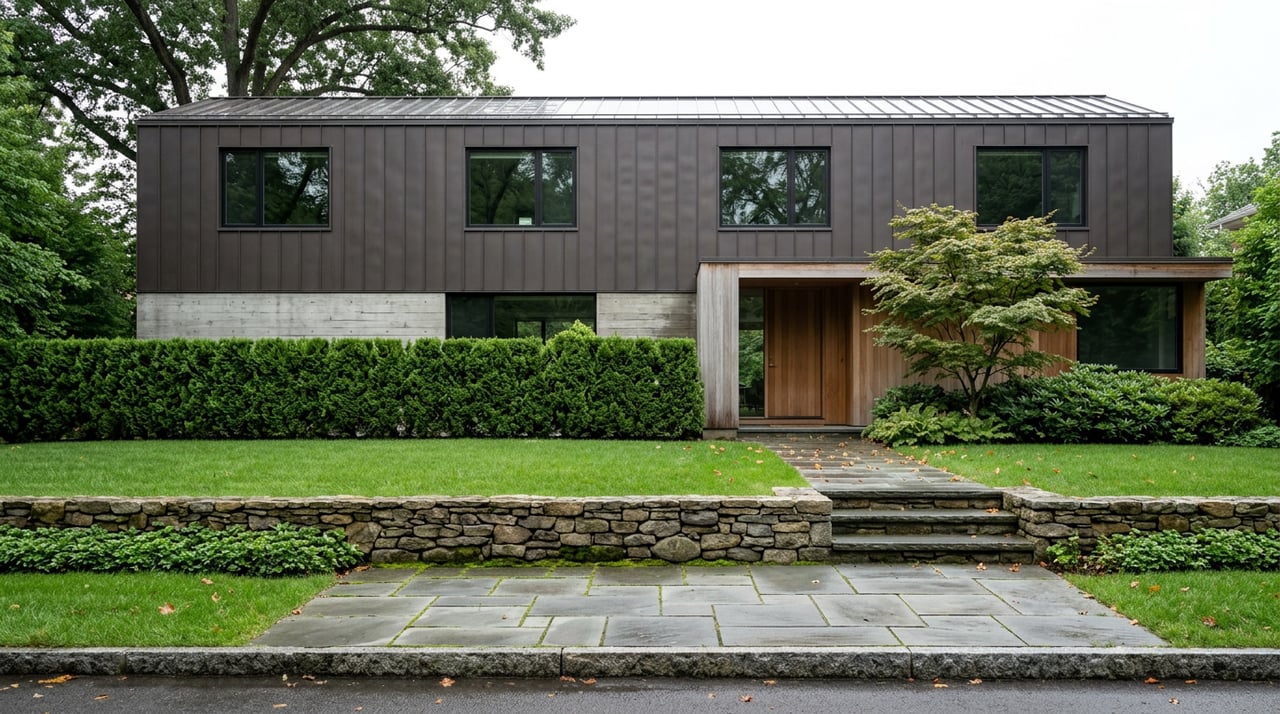
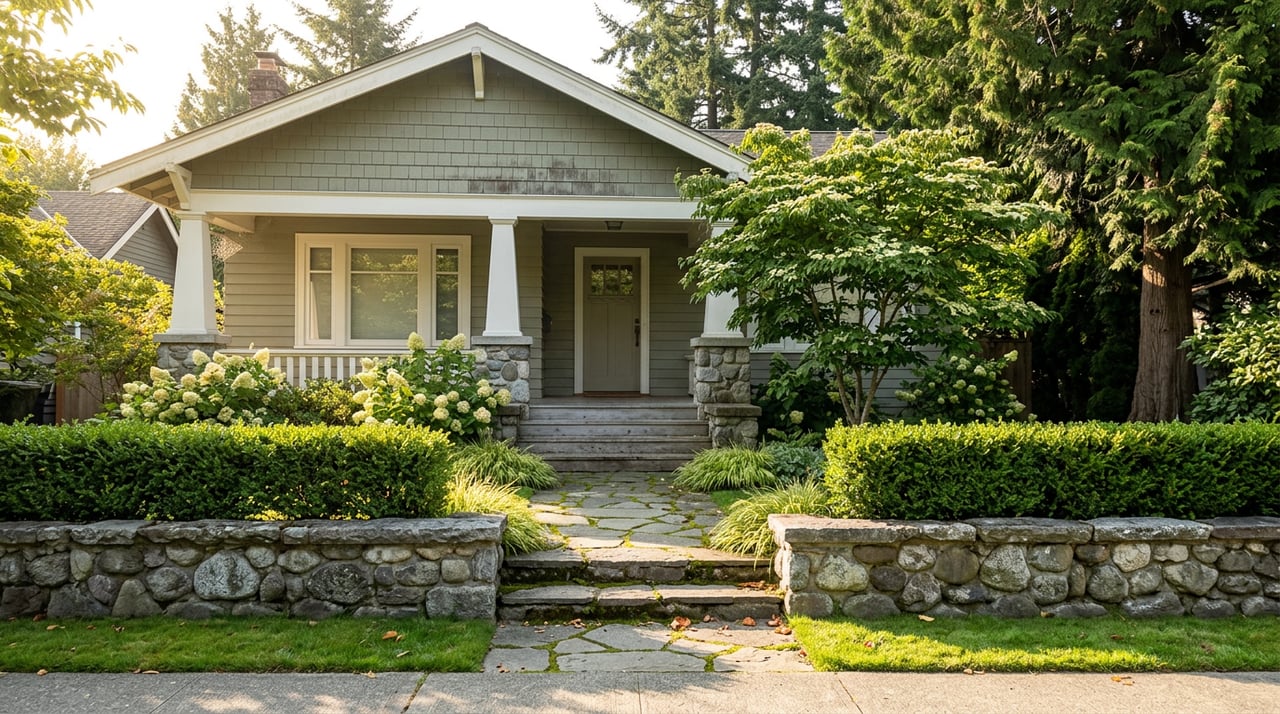
The housing stock is also varied. Seattle’s historic records note older homes in styles such as Craftsman, Queen Anne, American Foursquare, Prairie, Shingle, and Tudor in both neighborhoods. In practice, many buyers find that the lot, elevation, and relationship to the lake matter more than any single architectural style.
Hillside Homes in Leschi and Madrona
Hillside homes usually offer a different kind of appeal than properties right on the water. Instead of direct shoreline access, you are often getting elevation, separation from the busiest public edges, and the potential for broader outlooks toward Lake Washington. In these neighborhoods, nearby natural areas and viewpoints reinforce that quieter, tucked-away feel.
For many buyers, privacy and tree cover are the big draw. A hillside lot can feel more removed from shoreline activity, with a setting shaped by ravines, wooded slopes, and changing topography. That can create a more sheltered atmosphere even when you are still close to the lake.
What hillside living may offer
- More privacy from public waterfront activity
- Elevated outlooks and possible view potential
- A quieter setting near ravines, slopes, and natural areas
- A stronger sense of separation from Lake Washington Boulevard
What to watch on hillside sites
The tradeoff is site complexity. Seattle regulates steep slopes and landslide-prone areas as environmentally critical areas, which means the land can affect what work is allowed and what issues deserve closer review.
When you tour a hillside property, you will want to look closely at more than the house itself. Drainage, retaining walls, slope stability, and tree management can all be central parts of the decision.
Lakefront Homes in Leschi and Madrona
Lakefront homes deliver the clearest connection to Lake Washington. The biggest benefit is simple: you live beside the water, with immediate access to the shoreline experience that defines this part of Seattle. If you picture beach access, water activity, and daily proximity to the lake, these homes tend to offer the strongest version of that lifestyle.
In Leschi and Madrona, lakefront living also exists alongside older architecture rather than replacing it. Historic properties along Lake Washington Boulevard show that direct waterfront siting can pair with long-standing home styles. That gives the shoreline a layered character instead of a single modern or uniform look.
What lakefront living may offer
- The closest connection to Lake Washington
- Easier access to beaches, trails, and waterfront recreation
- A strong sense of place tied to the shoreline
- Daily proximity to parks and boulevard access points
What to watch on lakefront sites
The main tradeoff is that the shoreline is more public-facing. Parks, beaches, trails, boat launches, swimming areas, and Lake Washington Boulevard all bring circulation and seasonal activity to the waterfront edge.
That can mean more visibility, more foot traffic, and more day-to-day activity than a hillside property set farther back. For some buyers, that energy is a plus. For others, it may feel less private than expected.
Parks and Public Activity Matter
One of the biggest differences between hillside and lakefront homes in Leschi and Madrona is how close you are to public recreation. Leschi Park includes trails, tennis courts, views, play space, and both motorized and hand-carry boat launch access. Madrona Park includes a beach, wooded slope, jogging path, picnic areas, and seasonal swimming access.
If you buy near the waterfront, you are buying into that active park edge. If you buy farther up the slope or closer to ravines and inland natural areas, the feel may be calmer and less exposed to public movement.
This is not a right-or-wrong choice. It is a lifestyle question about whether you prefer immediate access and activity or more separation and quiet.
Transit and Daily Convenience
Not every Leschi or Madrona home will feel equally connected to daily services. Seattle planning materials identify Madrona’s neighborhood center around 34th Avenue and East Union Street, where you will find shops, services, groceries, restaurants, and a frequent transit route. King County Metro also shows Route 11 serving Madison Park and downtown Seattle.
For buyers, that means walkability and transit access often depend more on the home’s exact position than on the neighborhood name alone. A lakefront address may feel special for shoreline access, while a home closer to the interior neighborhood core may offer easier everyday errands and transit options.
Why the walk to transit matters
When comparing two homes, it helps to test the actual route instead of relying on assumptions. In these neighborhoods, topography can change how easy a short distance feels. A home that looks close on a map may feel very different in person depending on slope and street layout.
Permitting and Property Constraints
In this part of Seattle, lot conditions can affect future plans in a major way. Lakefront parcels within 200 feet of Lake Washington are regulated by Seattle’s Shoreline Master Program. That means some projects may require shoreline permits or exemptions, and the city’s rules address issues such as use, environmental impacts, public access, views, and height.
Hillside parcels can trigger a different kind of review. Steep slopes and landslide-prone areas may fall under environmentally critical area regulations, which can affect development options and add scrutiny around site conditions.
This is why comparing these homes requires a site-first mindset. Two beautiful homes can look similar online but come with very different constraints once you start thinking about renovation, expansion, landscaping, or long-term maintenance.
How to Decide Which Fits You
A practical way to think about the choice is this: hillside homes often win on privacy, elevation, tree cover, and a quieter edge condition, while lakefront homes often win on direct water connection, shoreline access, and the strongest day-to-day lake experience. Neither is automatically better. The better fit depends on how you want to live.
If you want to narrow your choice, focus on the factors that shape daily life most directly. In Leschi and Madrona, those are usually more useful than broad assumptions about the neighborhood.
Touring checklist for hillside vs lakefront homes
- View orientation
- Privacy from nearby public areas
- Usable yard space
- Slope and drainage condition
- Retaining walls and site stability
- Shoreline jurisdiction and permitting questions
- Park and boulevard traffic nearby
- The real walking route to transit and services
A Smart Comparison Strategy
When you tour homes in these neighborhoods, separate the house from the lot. A well-finished home on a challenging site may still carry more complexity than a less updated home on a simpler parcel. That is especially true in areas shaped by waterfront rules, steep slopes, and public park edges.
This is where local guidance matters. A neighborhood-focused review can help you weigh what is attractive at first glance against what may matter more over time, from privacy and access to permitting and maintenance considerations.
If you are weighing hillside versus lakefront homes in Leschi or Madrona, working with someone who understands how these micro-locations function can make the decision much clearer. If you want practical, neighborhood-specific guidance as you compare homes, connect with Terry McMahan.
FAQs
What is the main difference between hillside and lakefront homes in Leschi and Madrona?
- Hillside homes usually offer more elevation, privacy, and tree cover, while lakefront homes usually offer the closest connection to Lake Washington, shoreline access, and more exposure to public waterfront activity.
What should you check on a hillside home in Leschi or Madrona?
- Pay close attention to slope conditions, drainage, retaining walls, tree management, and whether the parcel may be affected by environmentally critical area regulations tied to steep slopes or landslide-prone areas.
What should you check on a lakefront home in Leschi or Madrona?
- Review shoreline location, public-facing exposure, nearby park and boulevard activity, and whether the property falls under Seattle shoreline regulations that may affect future projects.
How do parks affect living in Leschi and Madrona?
- Homes near Leschi Park or Madrona Park are closer to beaches, trails, boat access, swimming areas, and picnic spaces, which can improve recreation access but also bring more public activity.
Is transit access the same across Leschi and Madrona?
- No. Access can vary a lot based on the home’s exact location, and homes closer to neighborhood commercial areas and frequent transit routes may feel more convenient for daily errands and commuting.
How can you compare two very different lots in Leschi or Madrona?
- Start with the site itself by comparing privacy, view orientation, yard usability, drainage, slope conditions, shoreline rules, and access to parks, transit, and daily services before focusing only on interior finishes.