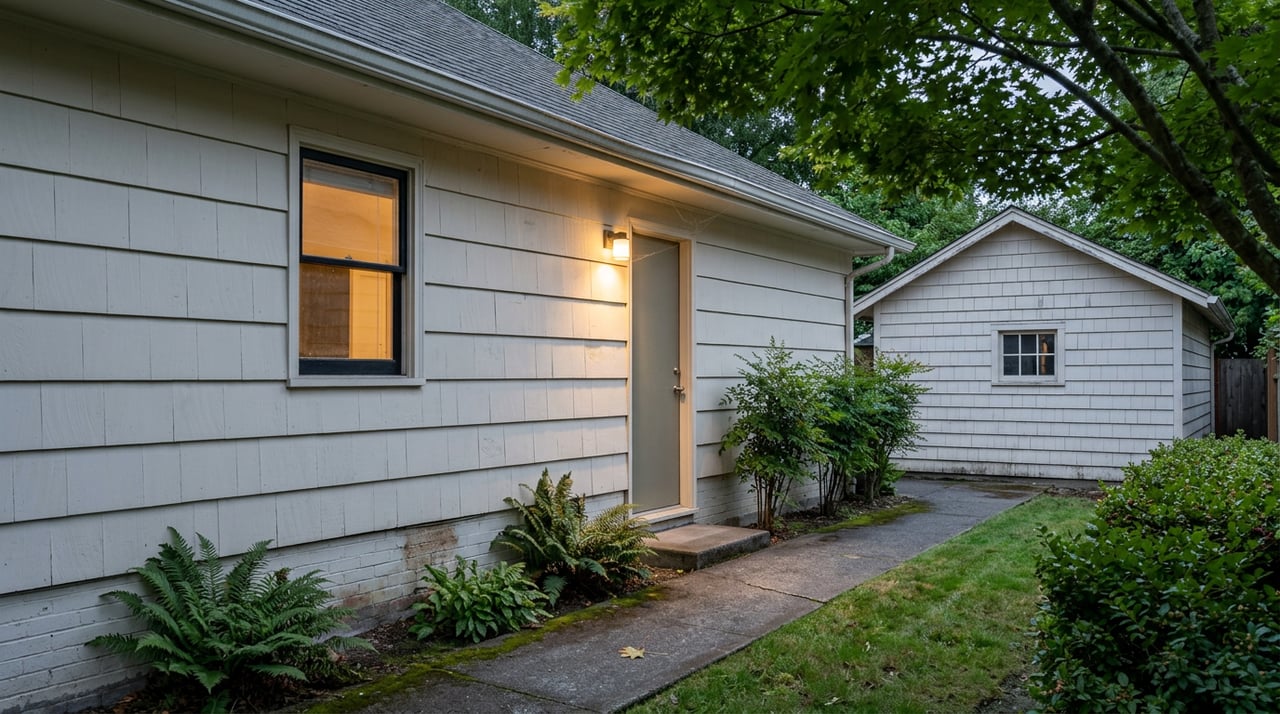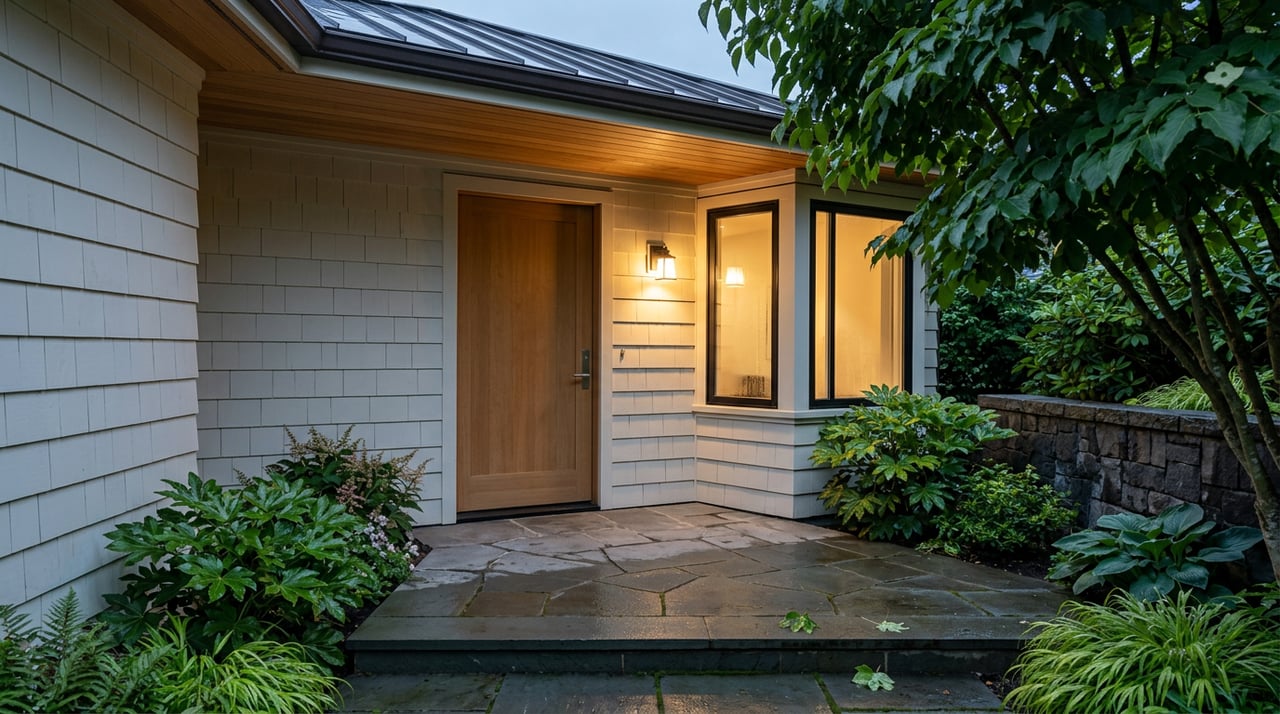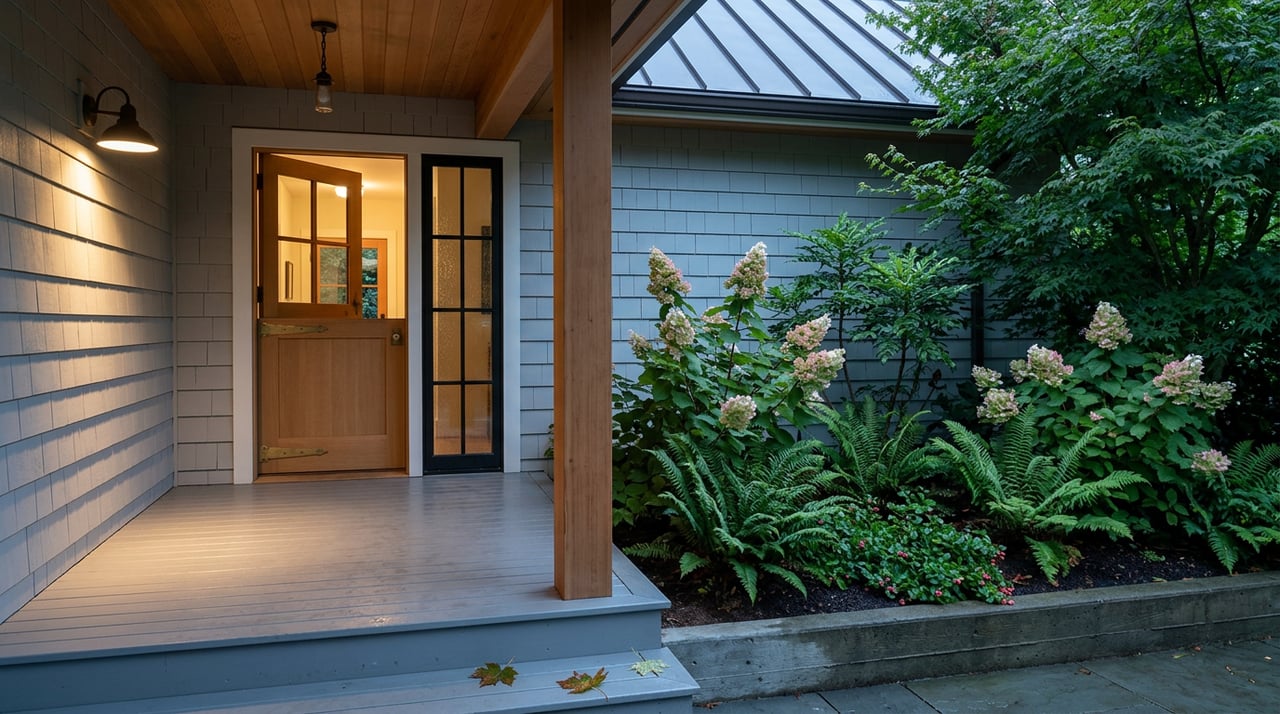
Trying to choose between a newer townhome and a classic Craftsman in Seattle’s Central District? You are not alone. In this neighborhood, the decision is rarely just about style. It often comes down to how you want to live, how much upkeep you want to take on, and what kind of long-term flexibility matters most to you. This guide breaks down the real tradeoffs so you can compare these two common Central District housing options with more clarity. Let’s dive in.
Why this comparison matters
In the Central District, housing choices reflect both market pressure and neighborhood history. Seattle notes that the Central Area, often used as a close proxy for the Central District in city data, is the historic heart of the city’s African American community, and that rising values and discriminatory practices contributed to displacement. That history still shapes how many buyers and sellers think about preservation, redevelopment, and community continuity today.
It is also important to know that neighborhood boundaries are not always exact in public data. Seattle’s neighborhood snapshot system treats these boundaries as approximate, which helps explain why market reports can show slightly different pricing depending on whether they use Central District, Central Area, or Central Seattle. Even with that variation, the takeaway is consistent: this is an expensive, competitive close-in market.
As of March 2026, Redfin’s Central District overview showed a median sale price of $816,000, while its Central Area page showed $912,500 and Central Seattle showed $950,000. Realtor.com’s Central Area overview showed a $900,000 median sale price and 75 days on market. Redfin also reported a walk score of 90 and transit score of 89 for the Central District, which helps explain why attached housing continues to perform well here.
Central District housing mix
The Central Area began as a single-family neighborhood, and Seattle’s historic survey shows that Craftsman bungalows and other early-20th-century homes became a defining part of the housing stock. That same survey also notes that in some parts of the neighborhood, especially farther south, older single-family structures have been replaced by multifamily projects. In other words, both older detached homes and newer infill housing are part of the area’s story.
That mix still shows up in the numbers. City housing data for Central Area/Squire Park reported that in 2010, 41.2% of homes were one-unit detached, a reminder that the neighborhood has not shifted entirely to attached housing. At the same time, Redfin recently showed 71 townhouses for sale in Central Area over the prior month, confirming that townhomes remain a major part of today’s inventory.
What defines each home type
Craftsman home basics
A Seattle landmark report describes the classic local Craftsman bungalow as a small one- or one-and-a-half-story home with a relatively simple form, open plan, wood siding or shingles, and built-in features. In practical terms, that usually means more horizontal living, more original architectural detail, and a more traditional lot layout.
For many buyers, the appeal is easy to understand. A Craftsman can offer charm, storage, yard space, and the feeling of a home with a longer neighborhood story. In the Central District, that character can be a real draw when compared with newer construction.
Townhome basics
Townhomes are usually built to use a compact lot more efficiently. Instead of spreading out across one floor or one main level plus basement, they tend to stack living spaces vertically over multiple stories. That often gives you newer finishes, a more modern layout, and lower immediate repair needs than you may find in an older detached house.
Townhomes also fit well with the neighborhood’s walkable, transit-friendly setting. In a close-in market where land is limited and demand stays strong, attached housing offers a practical way to live near shops, transit, and employment centers without stepping into the price range of some larger detached homes.
Space and layout tradeoffs
If layout is your top priority, this may be the biggest dividing line. Craftsman homes usually give you more traditional room flow and more usable space on the main level. That can feel easier for daily living, especially if you prefer fewer stairs or want living spaces that connect more naturally to a yard.
Townhomes usually ask you to trade that horizontal flow for vertical efficiency. Bedrooms may be separated across floors, living areas may be stacked above garages or entry levels, and storage can be tighter depending on the design. Some buyers love that clean separation of space, while others find it less convenient over time.
Seattle’s broader housing policy also matters here. The city now allows middle housing types such as townhomes, duplexes, cottage housing, and stacked flats in all neighborhoods, which reinforces the role attached and compact housing will continue to play in areas like the Central District. That makes it even more important to compare how a specific home lives, not just what category it falls into.
Maintenance and renovation reality
Craftsman upkeep
Older homes can be rewarding, but they usually come with more responsibility. Craftsman houses often include older materials, wood siding, shingles, and systems that may require more upkeep or updates over time. If you are drawn to the character, you should also be ready for a deeper inspection process and more careful budgeting for maintenance.
There is also an important age-related health and renovation issue to consider. The EPA says homes built before 1978 are more likely to contain lead-based paint, and repair or painting work can create lead dust if it is not handled safely. If you are considering a Central District Craftsman, it is wise to factor that into your renovation planning from day one.
Townhome maintenance
A newer townhome often appeals to buyers who want more turnkey living. You may still have maintenance responsibilities, but the immediate risk of age-related issues is often lower than it is with an older detached house. That can make monthly budgeting feel more predictable, especially if you want to focus on location and function rather than a long to-do list.
That said, newer does not always mean better in every way. Build quality, layout efficiency, natural light, storage, and privacy can vary widely from one townhome to another. In this market, it is worth looking beyond the finish materials and asking how the home will work for your day-to-day life five years from now.
Parking and outdoor space
Parking and yard space are often where the differences become very real. Seattle’s current parking and car storage rules help explain why newer townhomes can feel compact. Recent code trends encourage hidden parking, shared open space, and reduced or eliminated parking requirements near frequent transit.
In Central Area design examples, townhouse infill often appears as three-story projects with tight site layouts, alley access, or uncovered stalls instead of large private yards. That may be a fair trade if you care most about location and low exterior upkeep. But if you want room for gardening, outdoor dining, or gear storage, a detached home may feel more satisfying.
This matters at resale too. According to Redfin’s Seattle feature trends, buyers continue to place strong value on features like alley access, fenced back yards, backyards, and detached garages. That means a Craftsman with usable outdoor space and practical parking can tell a strong resale story, even if it needs updating.
Appreciation and resale potential
There is no automatic winner when it comes to long-term value. In the Central District, appreciation tends to be shaped more by location, lot, condition, parking, and functional layout than by whether a home is labeled a townhome or a Craftsman. A well-located, well-designed townhome can outperform an older detached house with layout or condition challenges, and the reverse can also be true.
The market backdrop remains competitive. Redfin’s Central Area housing market page showed multiple offers and about 26 days on market, while NWMLS reported that King County had the state’s highest March 2026 median sale price at $859,618. That level of demand supports both housing types, but buyers are still selective.
There is also a policy angle worth noting. Seattle’s middle-housing reforms create a more flexible environment for detached lots than in the past, which can add interest for some buyers looking at older homes with long-horizon potential. That does not make every lot a redevelopment play, but it does mean the land component of a Craftsman property may matter more in your analysis than it once did.
Which home fits your lifestyle
Choose a townhome if you want
A townhome may be the better fit if your priorities include:
- Walkability and easy access to transit
- Newer finishes and more modern systems
- Less immediate exterior maintenance
- Efficient use of space over a larger lot
- A more turnkey move-in experience
For many urban professionals, that combination makes a lot of sense in the Central District. If you spend more time enjoying the neighborhood than maintaining a yard, a newer townhome can line up well with how you actually live.
Choose a Craftsman if you want
A Craftsman may be the better fit if your priorities include:
- Yard space and more private outdoor use
- Original character and architectural detail
- More traditional room flow
- Better odds of detached storage or garage access
- Long-term flexibility for updates over time
If you love the idea of a home with personality and are comfortable taking on more upkeep, a Craftsman can be a very compelling option. In the Central District, that combination of charm, lot value, and outdoor space still holds lasting appeal.
The best way to compare homes
In this neighborhood, the smartest comparison is rarely townhome versus Craftsman in the abstract. It is one specific property versus another, with close attention to lot use, condition, parking, storage, and how the layout supports your routine. Two homes at similar price points can offer very different value depending on those details.
That is especially true in a market where boundaries, pricing snapshots, and inventory types can vary from one source to another. A good tour should help you compare not just the style name on the listing, but also the real-life costs, benefits, and tradeoffs attached to each home. That is where experienced, neighborhood-specific guidance can make a meaningful difference.
If you are weighing a Central District townhome against a classic Craftsman, working with a local advisor who understands both product types can help you move from broad preference to confident decision. When you are ready to talk through current listings, resale implications, or your timing, connect with Terry McMahan.
FAQs
What is the main difference between Central District townhomes and Craftsman homes?
- Townhomes usually offer newer construction, vertical layouts, and lower immediate maintenance, while Craftsman homes often offer more character, yard space, and traditional floor plans.
Are Craftsman homes in Seattle’s Central District more expensive than townhomes?
- Not always. Pricing can vary widely based on lot size, condition, parking, location, and how each data source defines neighborhood boundaries.
Do Central District Craftsman homes require more maintenance?
- Yes, in many cases. Older homes are more likely to need exterior upkeep, system updates, and careful renovation planning, especially if the home was built before 1978.
Are townhomes a good fit for walkable living in Central District Seattle?
- Yes. The neighborhood’s high walkability and strong transit access help make townhomes a practical choice for buyers who prioritize convenience and lower-maintenance living.
Which Central District home type has better resale potential?
- Neither type wins automatically. Resale value usually depends more on condition, layout, parking, lot features, and location than on whether the home is a townhome or a Craftsman.